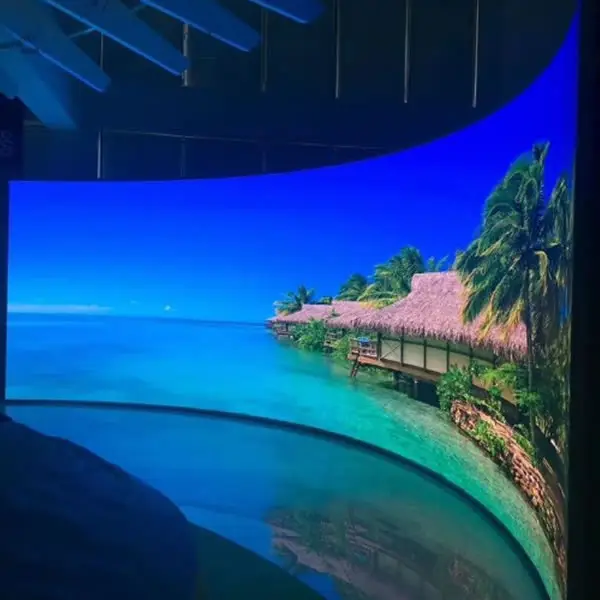

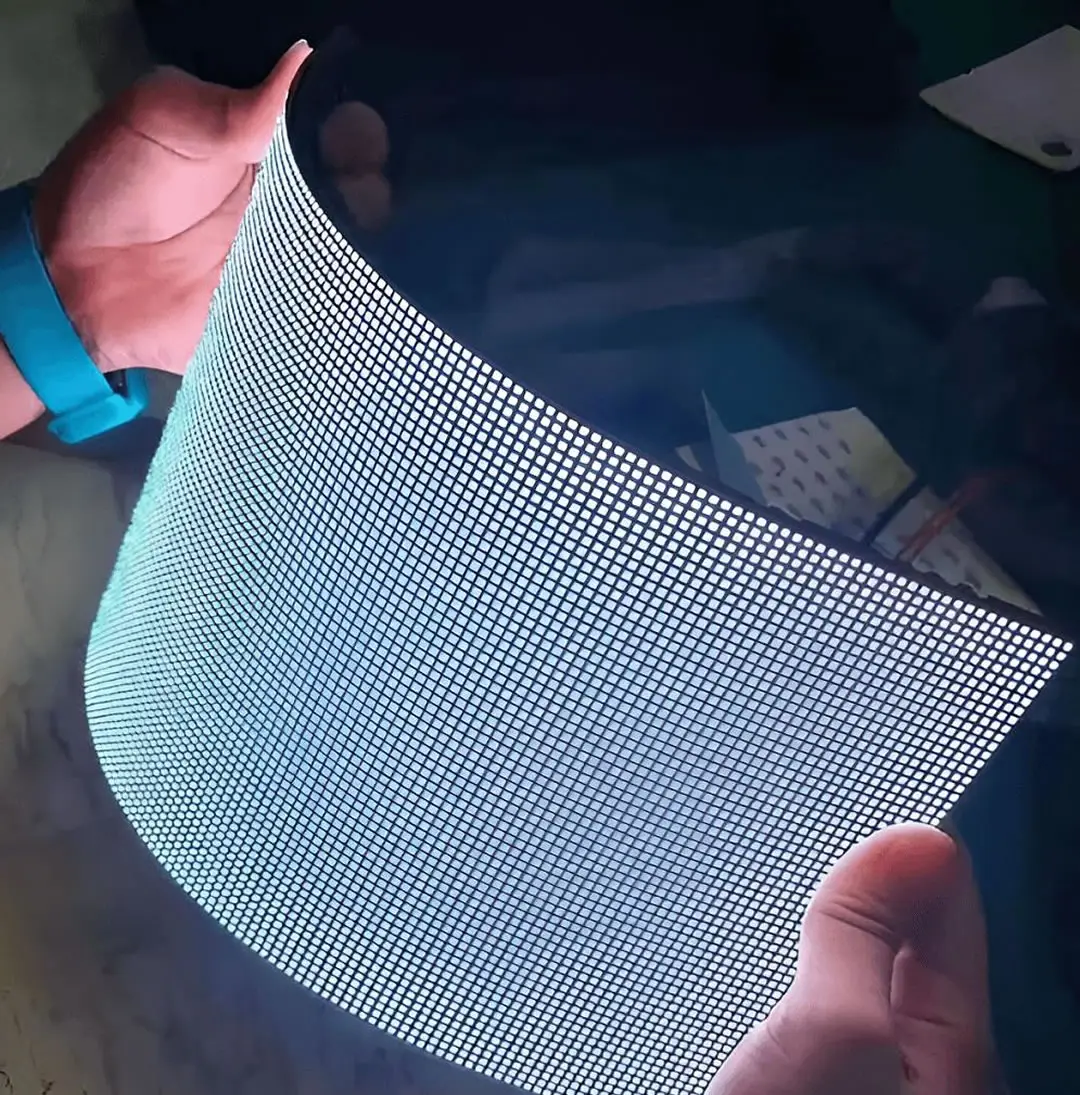

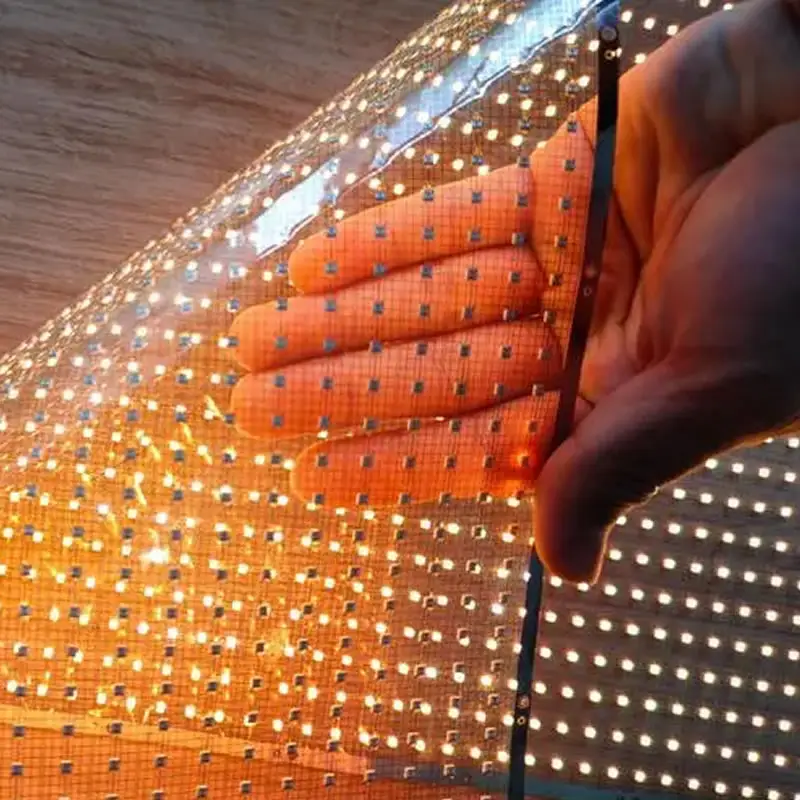
LED flexible screens and rigid LED screens are two distinct types of LED displays, each with differences in structure, application, and characteristics. So, what exactly distinguishes LED flexible screens from rigid LED screens, and which one is more durable?
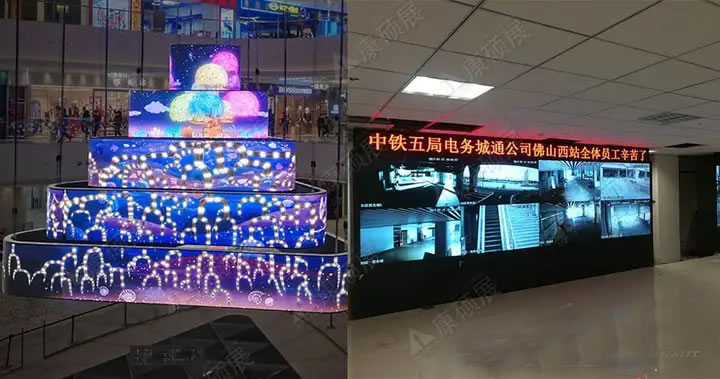
1. Differences Between LED Flexible Screens and Rigid LED Screens
Structure
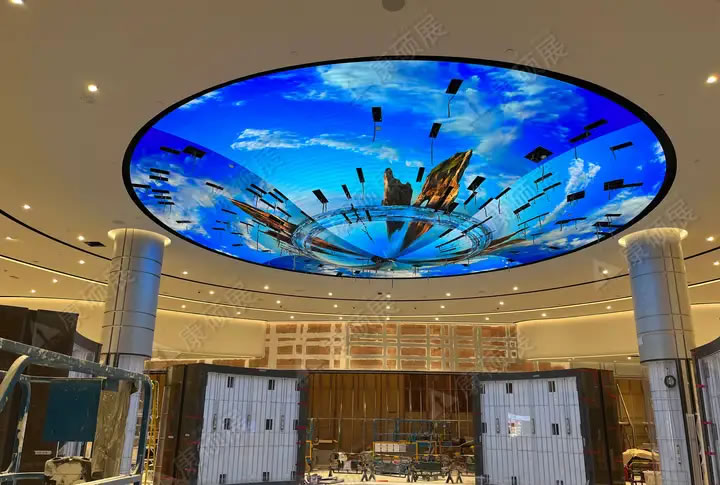
LED flexible screens use a flexible substrate, allowing them to bend and fold into various shapes and sizes, such as curved or cylindrical forms. In contrast, rigid LED screens use a rigid substrate that cannot bend and typically display only flat rectangular images.
Installation Method
Flexible screens can be easily installed on curved or irregular surfaces, making them ideal for curved stages, cylindrical buildings, and more. Rigid LED screens are suitable for flat installations, such as indoor and outdoor billboards and large screen displays.
Reliability
Compared to rigid screens, flexible screens offer better resistance to shock, pressure, and impact, which can help reduce damage from external forces. Rigid screens, being more fragile, require careful handling and maintenance.
Viewing Angle
Flexible screens typically have a larger viewing angle, allowing content to be viewed from a wider range of angles, whereas rigid screens have a relatively smaller viewing angle.
2. Which Is More Durable: LED Flexible or Rigid Screens?
Rigid LED screens have a more secure and reliable connection method, minimizing issues like leakage, and can last longer if not moved or reshaped frequently.
However, when choosing a product, factors such as cost-effectiveness should be considered. Flexible LED screens offer a competitive advantage in terms of price-performance ratio. They do not have high requirements for specific applications, and their price advantage remains evident. Although flexible LED screens are approximately 10% to 30% more expensive than rigid LED screens for the same size, they are not prohibitively expensive for businesses seeking impactful displays.
From the above analysis, we can see that both rigid LED displays and flexible LED screens have unique features. However, there is no significant difference between them in terms of pixel density, brightness, and color performance. The choice should depend on the specific application scenario and requirements. For traditional use in commercial plazas and building exterior wall advertisements, traditional rigid LED displays are recommended. For stage design, science museum exhibitions, and other settings that require aesthetic and personalized displays, LED flexible screens may be the better choice.