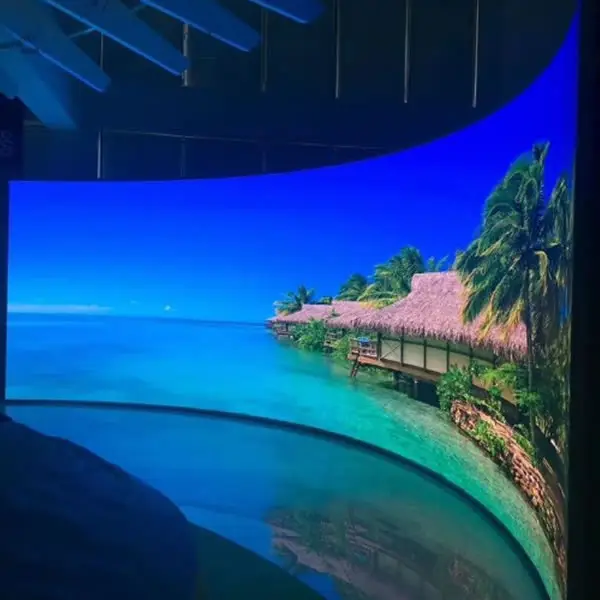

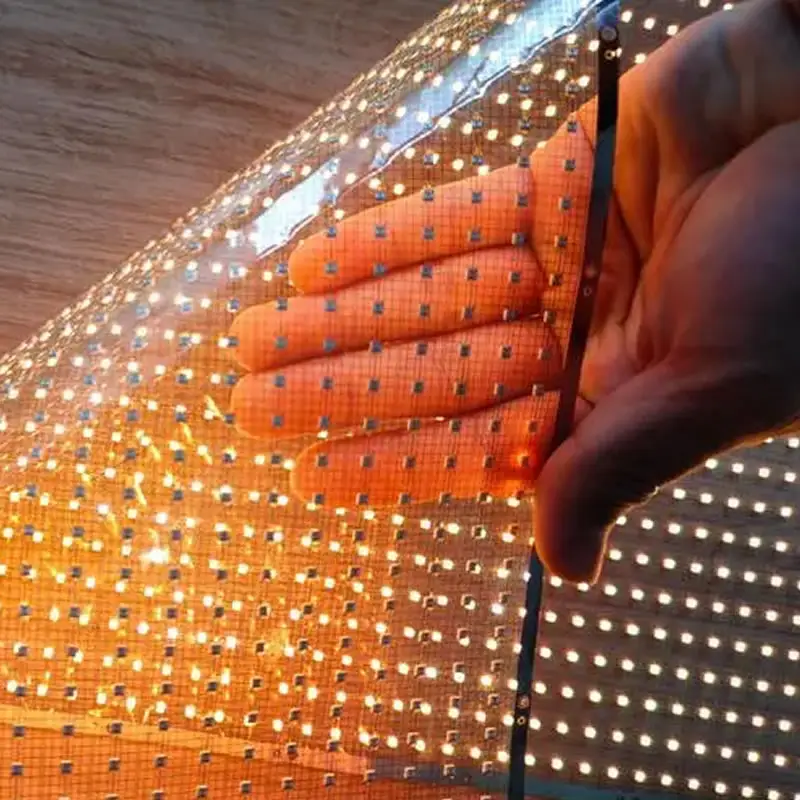
LED film screens have become a crucial means for manufacturers to enhance their competitiveness. By seizing the opportunity of the latest technological upgrades, the market share of flexible displays is set to expand significantly. In the future, the demand for flexible displays is expected to surge, reflecting a predictable market trend. Many companies are already making substantial investments in the market, aiming to broaden the application scope of flexible displays and drive technological advancements to meet future market demands.
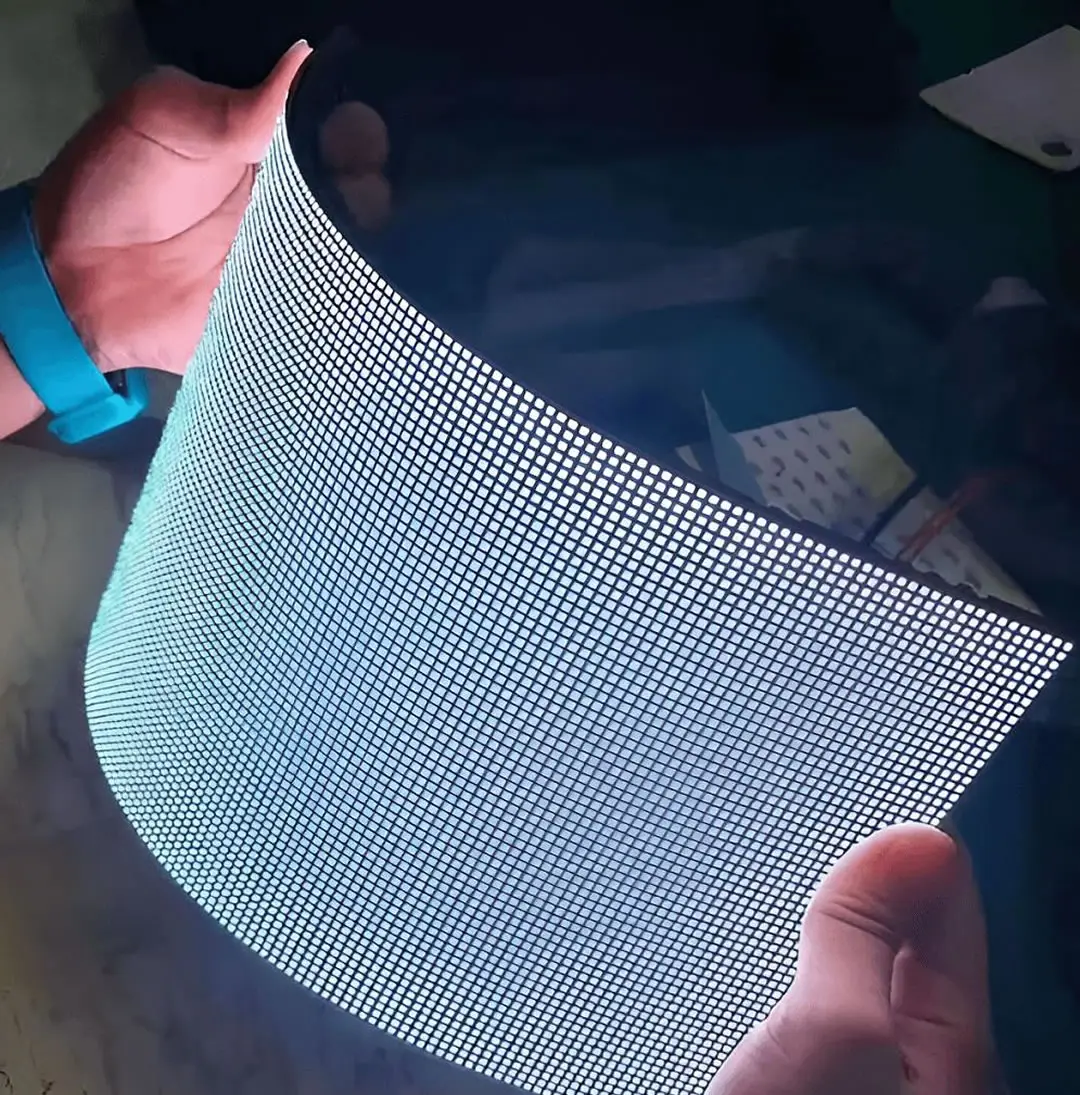
Why Is There an Urgent Need to Upgrade Flexible Display Technology?
Innovative products that offer high-definition display effects and cost-effectiveness are highly anticipated compared to traditional display technologies. Advances in panel technology have driven the renewal and upgrading of traditional industries, creating a healthy ecosystem that fosters mutual benefits and collaborative development. Flexible displays represent the future core competitiveness of panel technology. With their unique advantages in display performance, lightness, and flexibility, they have achieved foldable, bendable, and even rollable terminal forms, meeting the evolving consumer demands. The current market for foldable smartphones is based on flexible display technology, realized through a combination of unique panel design, process technology, and several other technological advancements.
What Are LED Flexible Displays?

As flexible display technology continues to mature, we can expect to see more flexible foldable products in the market. However, the current foldable screens still cannot bend freely like paper. Therefore, there is an urgent need to find flexible alternative materials to meet the development needs of flexible displays. New materials like carbon nanotubes, metal grids, nano-silver wires, and graphene are currently receiving significant attention as flexible alternatives. Some may wonder why traditional ITO materials are not used. This is because ITO materials are inherently rigid, brittle, and lack flexibility, making them unsuitable for the diverse needs of flexible development. Graphene and nano-silver wires are promising flexible alternative materials.
Advantages of Graphene and Nano-Silver Wires
Graphene boasts excellent performance advantages, such as high transparency, flexibility, superior electronic properties, and excellent conductivity and thermal conductivity. Nano-silver wires perform well in industrial applications, with excellent inherent properties such as low resistance, good flexibility, and low haze. Most importantly, both materials are widely available, and their low production costs significantly reduce expenses. These materials are crucial in enhancing flexible LED panel technology and applications.
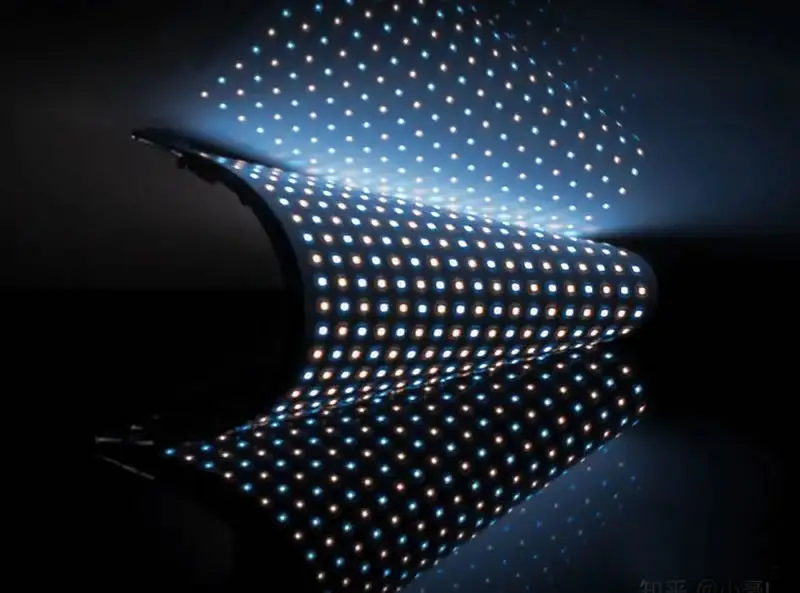
So, we can see the rapid development of flexible display technology and the expansion of its application range are propelling display technology into a new era. Through continuous technological upgrades and the search for new materials, flexible displays will demonstrate more possibilities and broader application prospects in the future. As market demand continues to grow, flexible displays will become a critical component of the display technology field, driving progress and development across the industry.